
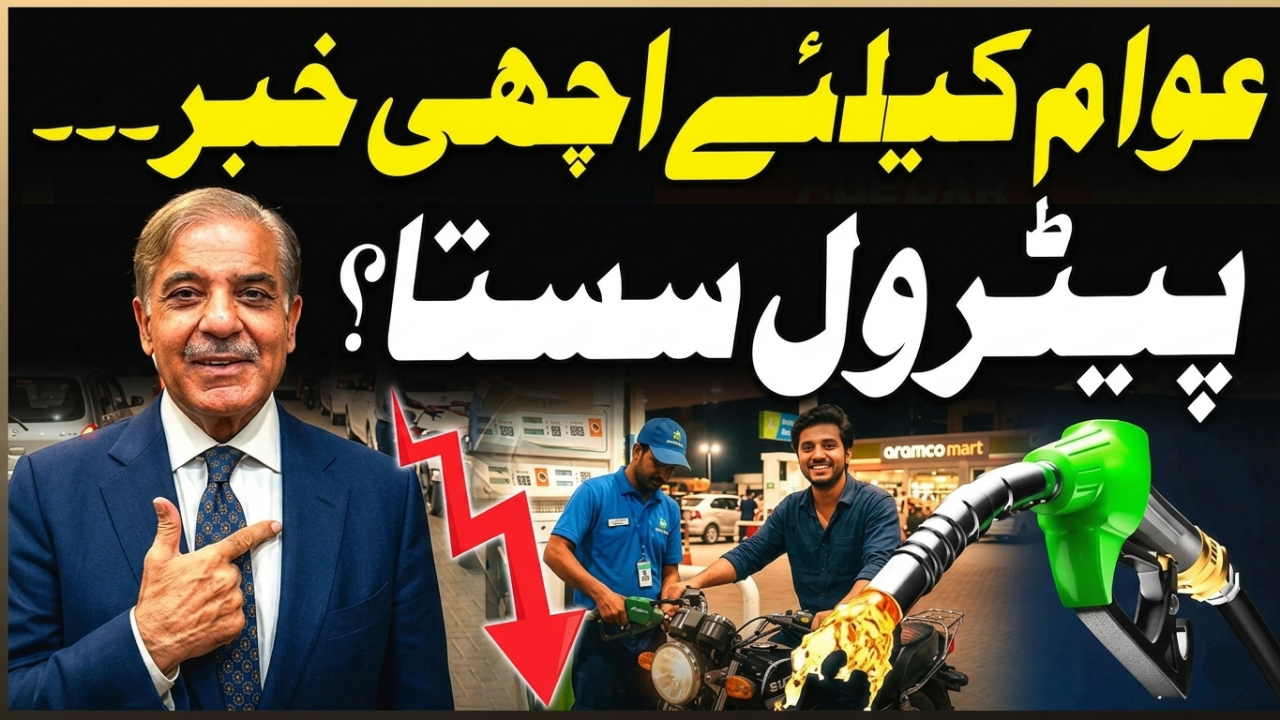
The linked article on fuel prices in Pakistan is built around one main expectation: that lower global oil prices could soon translate into some relief for the public. The page says there is growing hope that petrol and diesel rates may come down in the coming days, which would matter far beyond just drivers. In Pakistan, fuel prices influence transport, food delivery, household budgeting, and the overall cost of living. Because of that, even a modest reduction can have a visible effect on daily life. The article frames the possible drop as encouraging news for families already under pressure from rising expenses.
The core reason given for the expected relief is the decline in international oil prices. According to the article, when crude oil becomes cheaper globally, Pakistan can import fuel at lower cost. The page also mentions that global demand has slowed in some countries while supply remains stable or is increasing, creating room for lower prices. Even so, the article is careful not to present a price cut as automatic. It notes that while international trends matter, domestic prices are still shaped by other forces as well.
That balance is important because fuel pricing in Pakistan is never based on just one factor. The article highlights several things that can still affect the final rate, including the dollar exchange rate, government taxes and duties, import-related costs, and broader economic policy choices. In other words, cheaper oil abroad can create the possibility of relief, but it does not guarantee that the entire benefit will be passed on to the public. The page presents the situation as positive, but still uncertain.
The article also discusses what a drop in fuel prices could mean on the ground. It suggests that petrol and diesel may each become cheaper by several rupees per liter, though exact figures were not confirmed at the time of writing. From there, it connects lower fuel costs to wider economic effects. Transport fares for buses, rickshaws, and ride services could ease. Delivery and logistics costs may fall. Food prices might also benefit, because fuel is a major part of the cost of moving vegetables and goods from one place to another. Even households that do not own vehicles may still feel some indirect relief if transport-linked costs begin to soften.
Another useful point in the page is the reminder that fuel prices in Pakistan are usually reviewed twice a month. This gives the public a regular moment to watch for changes and explains why so much attention gathers around each announcement. The article says people are now waiting to see whether the next review will pass on the benefit of falling global oil prices. That waiting itself reflects how important fuel pricing has become to everyday financial planning in the country.
Overall, the linked article presents the possible fall in fuel prices as a hopeful development rather than a confirmed outcome. It argues that the global trend is moving in a favorable direction, but the final impact still depends on domestic economic decisions. For households struggling with tight budgets, that hope matters. Lower fuel prices would not solve every problem, but they could offer at least some breathing room across transport, food, and monthly expenses.