
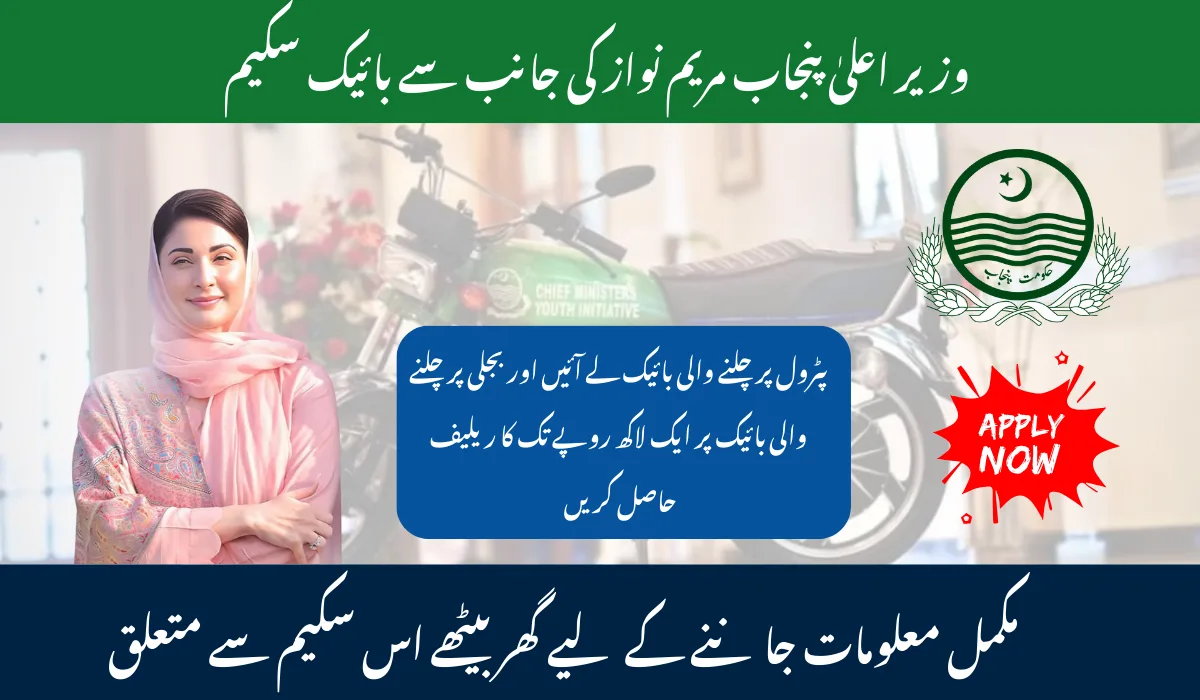
The linked page presents the Punjab electric bike conversion incentive as an environmental and financial relief initiative designed to encourage cleaner transportation. According to the article, residents can receive Rs. 100,000 for converting a petrol-powered motorcycle into an electric bike under what it describes as the Green Credit Program 2026. The source says the initiative is tied to Punjab’s wider effort to reduce pollution, fight smog, and promote sustainable living across the province. It also attributes the announcement to Senior Minister Marriyum Aurangzeb and frames the plan as part of a larger policy push toward greener habits.
One reason the article gives this scheme such positive treatment is that it combines environmental goals with a direct cash reward. Instead of only asking people to make an eco-friendly choice for moral reasons, the page says the government is attaching a tangible financial benefit to the decision. That changes the conversation from abstract environmental responsibility to practical household economics. If a motorcycle owner is already worried about rising fuel costs, the promise of conversion support plus a Rs. 100,000 incentive can make the electric option seem far more realistic.
The article also tries to make the case for electric bikes more broadly. It lists financial relief, pollution reduction, lower fuel expenses, and cleaner mobility as the main advantages of switching away from petrol. In its framing, the move to electric is not just about one-time government assistance. It is also about long-term savings and a more sustainable transport future. The page’s tone is clearly persuasive here, encouraging readers to see electric bikes as practical, quiet, efficient, and aligned with where modern transport is heading.
Another useful part of the article is the step-by-step process it provides for availing the incentive. It says applicants should visit the official Green Credit Program portal, fill out a registration form with CNIC and bike details, submit motorcycle documentation, request the conversion and reward, and wait for verification before receiving the payment. The article says the process has been kept simple and is open to Punjab residents, which is clearly meant to encourage participation rather than make the program feel difficult or exclusive.
What stands out in the page is how strongly it links this one conversion scheme to a broader environmental culture. It describes the Green Credit Program as rewarding several eco-friendly actions, including electric vehicle adoption, tree planting, and energy-efficient behavior. That means the petrol-to-electric bike conversion is being presented not as a standalone act, but as part of a wider public effort to reshape daily habits around cleaner living. The article uses this broader framing to give the conversion idea a larger sense of purpose beyond personal transport.
Overall, the linked article portrays the bike conversion incentive as a creative mix of public policy, environmental messaging, and financial encouragement. Its main argument is simple: if the government wants cleaner air and less dependence on petrol, rewarding citizens directly may be one of the fastest ways to push behavior in that direction. Whether people respond in large numbers will depend on implementation and trust, but the page clearly presents the idea as both practical and timely for Punjab’s pollution and transport challenges.